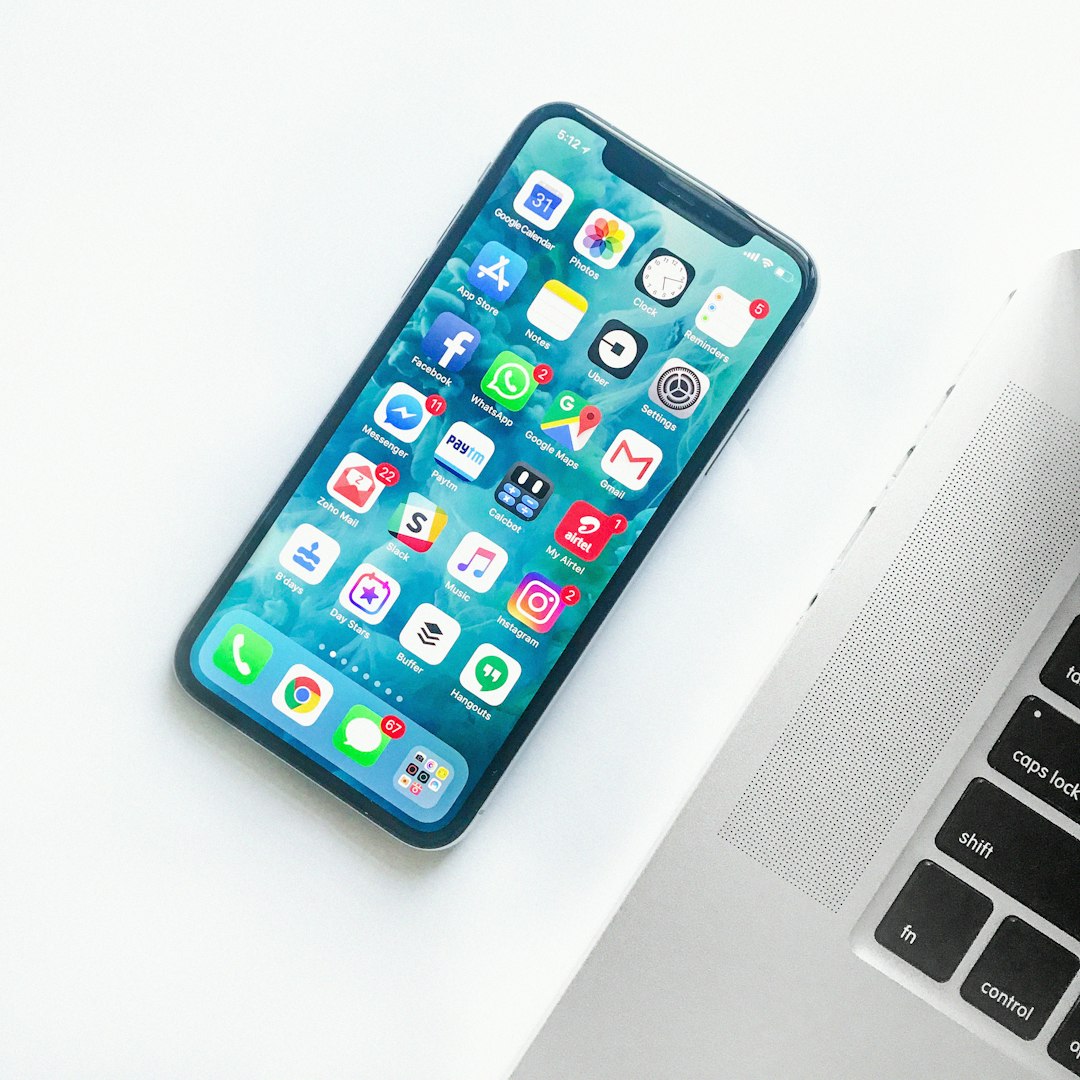
Dowelltown residents face a deluge of unwanted robocalls from marketing, debt collection, and political campaigns. These calls violate "do not call" laws, employ vishing scams, and disrupt daily life. To combat this, organizations advocate for stringent regulations like FCC rules. Residents can protect themselves by:
– Registering on the national "Do Not Call" registry.
– Using call-blocking apps or services.
– Reporting suspicious calls to authorities.
– Consulting a Do Not Call attorney Tennessee for legal action against persistent violators.
Collaborative community efforts involving local legal aid, government updates, workshops, and tech groups empower residents to reclaim their privacy from robocalls.
In today’s digital age, our homes are often flooded with unwanted robocalls, leading to frustration and a disruption of daily life for Dowelltown residents. These automated phone calls, often promoting products or services, can be a nuisance and even pose security risks. The Do Not Call attorney Tennessee laws exist to offer some protection, but they’re not foolproof. This guide is designed to empower Dowelltown residents with the knowledge and tools needed to effectively block these calls, ensuring a quieter, safer home environment. We’ll explore various methods, from simple do-not-call registrations to advanced technological solutions, helping you navigate this modern challenge.
Understanding Robocalls: The Common Types and How They Impact Dowelltown Residents
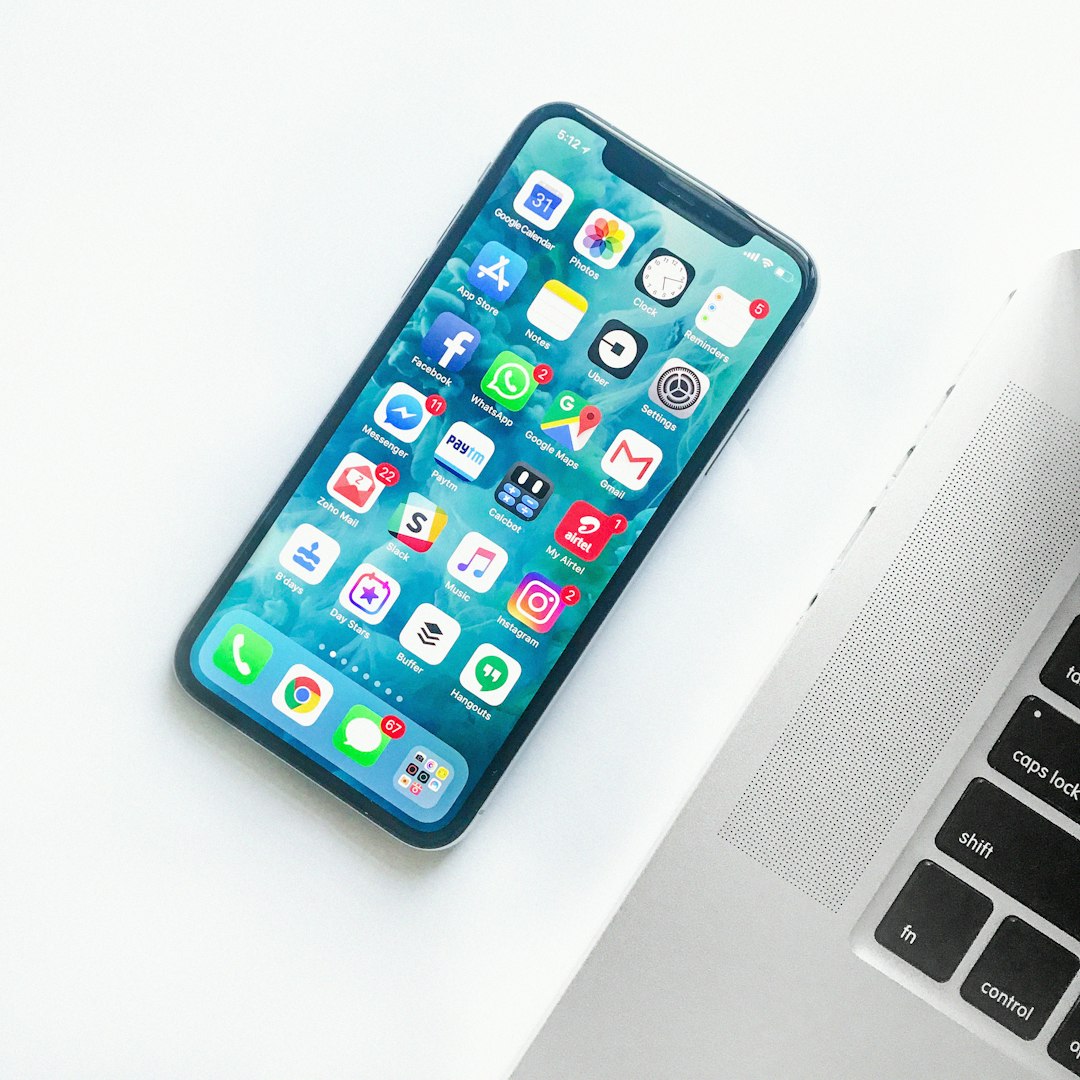
Robocalls have become a ubiquitous nuisance for Dowelltown residents, posing a significant challenge to their daily lives. These automated calls, often advertising products or services, can be particularly bothersome due to their volume and lack of personalization. Understanding the various types of robocalls is the first step in empowering residents to take control. Common categories include marketing calls from businesses seeking new customers, debt collection agencies trying to recover debts, and political campaigns making get-out-the-vote appeals. While some robocalls offer valuable information or promotions, many fall into the category of unwanted or fraudulent calls.
One prevalent type is the “do not call” violation, where residents in Dowelltown may receive calls despite having registered their numbers on national “do not call” lists. These violations often stem from businesses ignoring legal requirements or using automated systems that bypass protections. Another concerning trend involves vishing (voice phishing), where scammers impersonate legitimate organizations over the phone to trick individuals into revealing sensitive information. For instance, a resident might receive a call claiming to be from their bank, asking for personal and financial details under the guise of account verification. Such incidents have increased with the rise of remote work and online banking, highlighting the need for heightened vigilance.
According to recent data, over 80% of adults in the United States reported receiving robocalls daily, with many considering them a top frustration. In response, various organizations advocate for stringent regulations, such as those enforced by the Federal Communications Commission (FCC), which include fines for violators and enhanced consumer protections. Residents are urged to stay informed about their rights, report suspicious calls to relevant authorities, and consider using call-blocking apps or services that filter out unwanted robocalls. Engaging with a Do not call attorney Tennessee can also provide specialized guidance on legal options against persistent violators.
Legal Rights: What Does Tennessee's Do Not Call Law Encompass?
The Do Not Call Law in Tennessee offers residents a powerful tool to combat unwanted robocalls. This state law, administered by the Tennessee Department of Commerce & Insurance, mirrors federal regulations, granting citizens the right to register their phone numbers on the national “Do Not Call” registry. By doing so, homeowners and renters can significantly reduce the volume of telemarketing calls they receive.
Tennessee’s Do Not Call Law prohibits businesses from making automated or prerecorded telephone calls to individuals who are on the state or federal “Do Not Call” lists. This legislation is designed to protect consumers’ privacy and give them control over their communication preferences. When a resident signs up for the registry, they signal their intention not to receive sales or marketing calls, and businesses are legally bound to respect this decision. It’s crucial to note that the law does not apply to non-commercial calls, such as those from charities, political organizations, or survey companies.
To exercise your rights under Tennessee’s Do Not Call Law, residents should consider hiring a Do not call attorney Tennessee. Legal experts in this field can guide individuals through the process of registering their numbers and taking necessary legal action if they experience persistent violations. Data from recent studies indicates that millions of unwanted robocalls are made daily, emphasizing the need for proactive measures. By leveraging the protections offered by state and federal laws, residents can reclaim their time and privacy from intrusive telemarketing calls.
Identifying and Blocking Calls: Tools and Techniques for Your Home or Business

Dowelltown residents face a growing challenge with robocalls, which can disrupt daily life and business operations. Thankfully, there are effective tools and techniques available to identify and block these unwanted calls, ensuring a quieter, more peaceful environment. Understanding how to recognize and mitigate robocalls is key to regaining control over your communication channels.
One of the primary methods to combat robocalls involves utilizing specialized blocking applications and services. Many reputable phone companies offer call-blocking features as part of their plans, actively filtering out known robocallers based on extensive databases. These tools learn and adapt, becoming more accurate over time. For instance, a Do Not Call attorney in Tennessee can help establish and maintain robust do-not-call lists, which are then used to block calls from registered numbers. This proactive approach significantly reduces the volume of nuisance calls received.
Additionally, individuals and businesses can employ advanced call screening technologies. Automated systems can analyze incoming calls, detecting patterns and signatures commonly associated with robocalls. For example, AI-powered voice recognition software can identify specific prompts or scripts used by automated systems. When a suspicious call is detected, the system can either block it immediately or alert the recipient, allowing them to make an informed decision. Regular updates to these technologies ensure their effectiveness against evolving robocall tactics.
When to Involve a Lawyer: Navigating Legal Action Against Robocallers
When dealing with persistent robocalls, Dowelltown residents may find themselves at a loss for effective solutions. While numerous methods exist to block calls, there are times when legal action becomes necessary. If robocallers refuse to cease their activities despite your best efforts, it is advisable to consult with an attorney specializing in telecommunications law. In Tennessee, specifically, the Do Not Call Law offers some protection, but direct legal action may be required for severe or recurring violations.
One scenario where involving a lawyer is crucial is when you receive threatening or harassing calls. These types of robocalls often cross the line from nuisance to illegal activity, and a legal professional can help determine the best course of action. For instance, if a caller uses aggressive tactics to sell products or services, or makes false claims about your credit history or financial status, it’s time to consult an attorney. Legal experts can guide residents through the process of filing a complaint with the Federal Trade Commission (FTC) and even pursue litigation against repeat offenders.
Data from consumer protection agencies suggests that many robocallers operate in legal grey areas, taking advantage of the vast number of calls they make. By understanding your rights and enlisting the help of a qualified attorney, Dowelltown residents can hold these callers accountable. An experienced lawyer can navigate complex regulations, ensure proper documentation, and advocate for substantial monetary damages if applicable. Remember, while blocking calls is an essential first step, legal action may be the only way to put a permanent end to harassing or illegal robocalls.
Community Resources: Staying Informed and Protected in Dowelltown
In Dowelltown, staying informed and protected from unwanted robocalls is a collective effort. Residents have access to numerous community resources designed to mitigate these persistent intrusions. One effective strategy involves leveraging local legal aid organizations, such as the Do Not Call Attorney Tennessee, which offers guidance tailored to state regulations. These professionals can help register for the National Do Not Call Registry and provide legal counsel on dealing with persistent or malicious calls.
Local government websites and community newsletters often serve as vital hubs for sharing updated information about robocall trends and available protections. For instance, the Dowelltown City Hall website features a dedicated section on consumer protection, offering tips and resources to combat robocalls. Community meetings and workshops organized by local law enforcement agencies further empower residents by educating them on the latest tactics employed by scammers and how to avoid becoming a victim.
Additionally, community-based tech clubs or neighborhood watch groups can play a significant role in disseminating practical solutions. By sharing knowledge about call blocking apps, voice recognition technology, and privacy settings, these groups foster a culture of digital literacy and security. Residents equipped with this knowledge are better able to defend against robocalls, ensuring a safer and more peaceful living environment for all.